
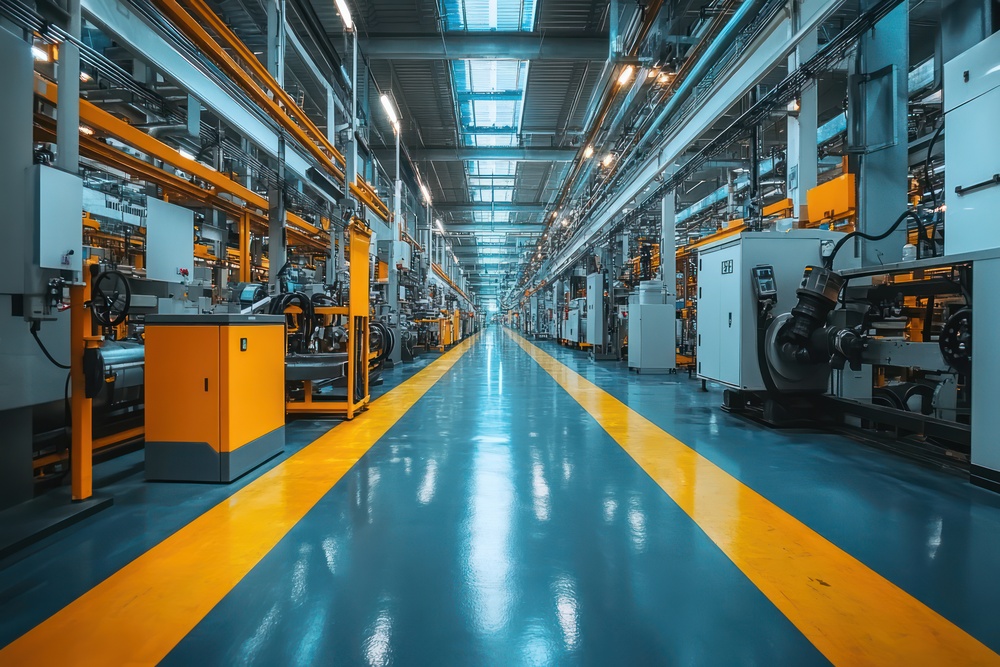

Factory floors across America tell a familiar story. Bosses push for faster output and fatter profits. Workers worry about getting hurt rushing through dangerous tasks. For decades, companies picked sides: run fast and risky, or slow and safe. That’s outdated thinking. The best facilities today prove that you can have both speed and security.
The False Choice
Old-school managers saw safety rules as sand in the gears. Heavy gloves made fingers clumsy. Goggles fogged up and slowed people down. Morning safety talks stole precious production minutes. Each precaution felt like another weight dragging on productivity.
Reality tells a different story. Dangerous workplaces hemorrhage money. A single accident triggers investigations that halt entire production lines. Insurance premiums skyrocket after injury claims. Your best mechanic breaks his back lifting improperly, and suddenly you’re training rookies who wreck expensive equipment. Six months of efficiency gains vanish in one preventable disaster.
Forward-thinking operations flip this script completely. Workers who feel protected move quickly without hesitation. Equipment that gets proper care runs smoothly for years. Clear protocols eliminate the confusion that breeds delays and accidents. Funny how the safest shops often crank out the most product.
Technology Drives Both Goals
Tasks that used to be too risky for humans are now done by robots. They bathe parts in toxic chemicals while operators control everything from safe distances. Monitors sniff out gas leaks before anyone smells trouble. Computers track ten thousand variables at once, flagging oddities no person would notice.
Yet fancy machines guarantee nothing without skilled operators. That million-dollar safety system becomes useless junk if someone disables it to skip a step. Automated equipment turns deadly when maintenance gets skipped. Wisdom is amplified with good tools. Those bad habits also get worse.
Training fills the gap between having technology and using it well. A worker who understands his equipment prevents problems rather than reacting to them. Someone who grasps basic chemistry handles hazardous materials with appropriate respect. Maintenance teams following rigorous checklists stop most failures before they start. Education turns nervous guessing into smooth confidence.
Small Changes, Big Results
Massive budgets aren’t always necessary for groundbreaking upgrades. Repositioning supply racks closer to workstations means less carrying and fewer back injuries. Brighter LED bulbs help people work faster while spotting dangers sooner. Paint pipes different colors, and those expensive mix-ups disappear overnight.
Smart scheduling works wonders too. Switch people between tasks every few hours to prevent repetitive injuries. Time maintenance for natural slow periods instead of emergency scrambles. Stagger lunch breaks to reduce crowding near dangerous machinery. These adjustments cost pennies but save fortunes.
Never underestimate communication. Workers must report close calls without getting punished for speaking up. Managers need to spread warnings fast when hazards emerge. Departments that talk prevent conflicts that cause crashes. Information flowing freely stops problems cold.
Real Progress in Action
American manufacturing proves daily that speed and safety go hand in hand. Refineries process chemicals for years between accidents. Assembly plants break production records while celebrating injury-free milestones. Distribution centers move mountains of merchandise without breaking workers.
Companies like Trecora exemplify how industrial chemical solutions boost output while protecting people through thoughtful engineering and rigorous standards. Their practices show that cutting safety measures damages profits, and the lesson is being learned. Success is about quality, not just quickness.
Conclusion
The perceived clash between efficiency and safety was always false. Businesses succeed by planning for the future and investing intelligently. Not to mention continually making things better. Companies reach ambitious goals, and employees stay well. This potent combination gives American manufacturing an edge over the world. It seems that the fastest way to increase output is to care for the workers. Safety is always worth it.

