
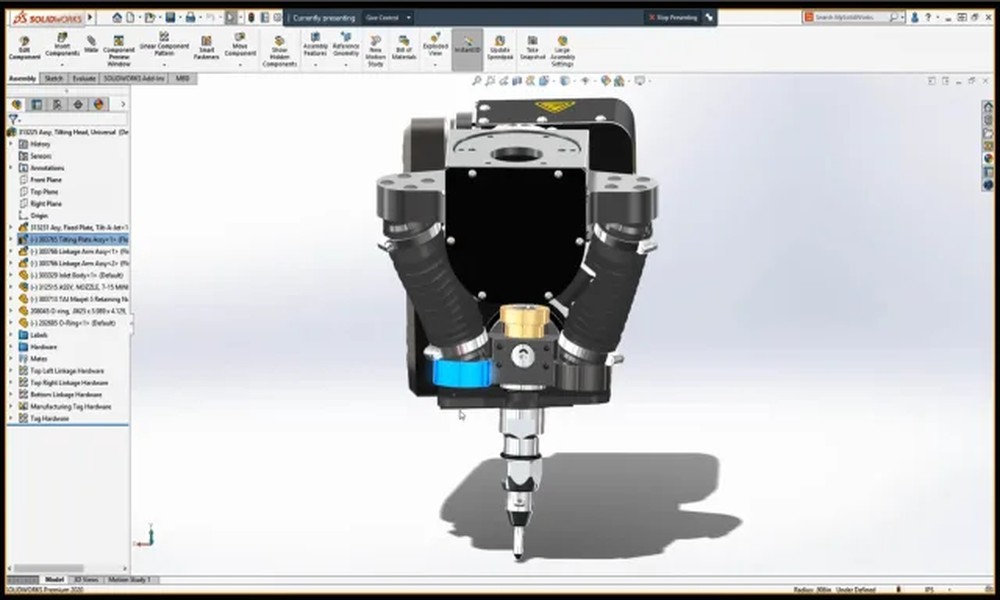

For large manufacturing organizations, engineering software must support not only design activities but also collaboration, data security, and system integration. When deployed correctly, SolidWorks Indonesia and advanced aplikasi SolidWork can become the backbone of enterprise engineering workflows, connecting design teams with IT systems and production environments. Successful implementation, however, requires careful planning and structured processes.
Choosing the Right Licensing Strategy
Licensing is often the first decision companies face when adopting enterprise CAD platforms. Organizations must balance flexibility with cost efficiency while ensuring that all users have access to the tools they need.
With aplikasi SolidWork, companies can deploy a mix of dedicated and shared licenses depending on usage patterns. Engineering departments with continuous design workloads may require individual licenses, while simulation or visualization tools can be managed through shared pools. Proper license management reduces idle software and helps control operational costs.
Managing Design Data with Product Data Management (PDM)
As engineering teams grow, managing files becomes increasingly complex. Without structured control, version conflicts and accidental overwrites can delay projects and compromise product quality.
SolidWorks PDM provides centralized storage, version tracking, and approval workflows. By integrating PDM into daily operations, companies using SolidWorks Indonesia ensure that every team member accesses the latest approved design files. This structured data environment supports compliance requirements and improves traceability across product lifecycles.
Enabling Cross-Team Collaboration
Modern product development depends on collaboration between mechanical, electrical, manufacturing, and procurement teams. Shared digital models and controlled access rights allow multiple departments to contribute without compromising data integrity.
With aplikasi SolidWork and PDM integration, teams can review designs simultaneously, submit feedback through controlled processes, and monitor project status in real time. This reduces communication delays and accelerates design approvals.
Integrating CAD Systems with IT Infrastructure
Enterprise IT environments include ERP systems, manufacturing execution systems, and cybersecurity frameworks. For CAD platforms to function effectively, they must integrate smoothly with these systems.
SolidWorks Indonesia supports IT integration through secure authentication, backup systems, and data exchange tools that connect engineering data with production planning and procurement workflows. Proper IT coordination ensures system stability, protects intellectual property, and supports scalable digital operations.
Conclusion: Building a Sustainable Engineering Platform
Implementing enterprise CAD solutions is not simply about installing software. It involves aligning technology, processes, and people into a unified workflow. With the right licensing model, structured data management, strong collaboration tools, and IT integration, aplikasi SolidWork becomes a strategic asset rather than just a design tool.
Supported by local expertise from SolidWorks Indonesia, enterprises can build reliable, scalable engineering environments that support long-term innovation and operational excellence.

