
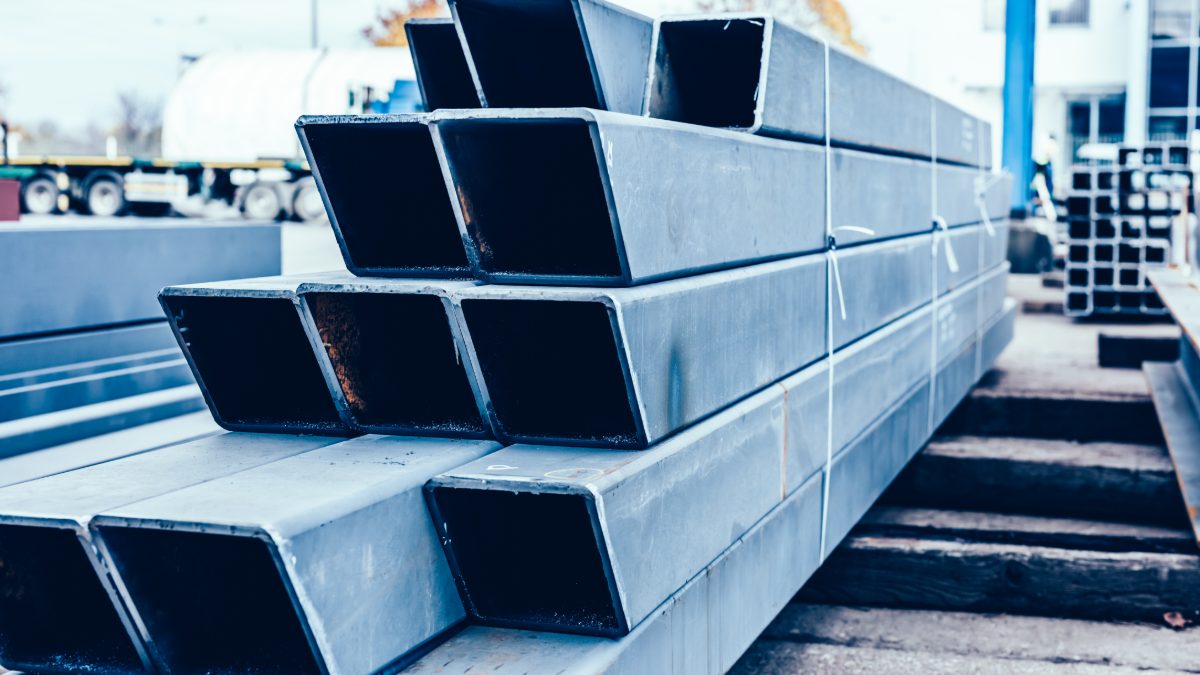

Careful planning supports strong results when structural work demands accuracy and trust. Many planners prefer steel fabrication coffs harbour because it supports durability while allowing flexible design control across varied builds. Proper fabrication improves load handling, safety balance, and long-term stability. Choosing reliable fabrication also reduces delays and material waste. Skilled workmanship ensures measurements remain precise, helping teams meet goals without stress. This approach suits residential upgrades, commercial frameworks, and industrial support systems. Attention to detail during fabrication promotes efficiency, smoother assembly, and dependable performance across demanding conditions.
How does strength improve project reliability
Steel offers excellent load capacity and resistance against stress from use or the environment. Fabricated components maintain shape under pressure, supporting long-lasting frameworks. This reliability lowers repair needs and supports safety standards while ensuring structures remain firm during extended usage periods.
Why customization supports unique designs
Fabrication allows precise shaping to match specific requirements without compromise. Builders can request tailored dimensions, connections, and finishes to fit design goals. This flexibility helps complex layouts come together smoothly without forcing adjustments during assembly stages.
How accuracy reduces installation challenges
Controlled fabrication processes deliver consistent measurements that align during installation. Accurate components reduce alignment issues and speed up on-site assembly. Fewer corrections mean smoother workflows, reduced labor strain, and predictable project timelines.
Why durability lowers future costs
Steel resists wear, impact, and weather-related damage better than many alternatives. Fabricated pieces maintain performance over the years, reducing replacement needs. Lower maintenance demands translate into savings while preserving structural strength throughout ongoing use.
How fabrication supports efficient timelines
Pre-fabricated steel elements arrive ready for placement, cutting down on site preparation. Faster assembly helps teams meet deadlines without rushing workmanship. Time savings also reduce overall disruption during construction phases.
Why quality control matters for safety
Professional fabrication follows strict checks during cutting, welding, and finishing. These controls prevent defects that may cause weakness. Strong quality standards protect users and help projects meet regulatory expectations consistently.
How steel supports sustainable building
Steel can be reused and recycled without losing strength. Fabrication reduces waste by using precise measurements. This responsible use of materials supports sustainable building goals while maintaining performance standards.
Why versatility suits many applications
Steel fabrication works across frames, supports, platforms, and protective structures. This versatility makes it suitable for many project types. One reliable material can address varied needs efficiently.
Thoughtful planning leads to dependable outcomes when materials support strength and adaptability. Fabricated steel offers lasting value through durability, flexibility, and precise construction support. Choosing skilled fabrication helps reduce delays, control costs, and maintain safety throughout development phases. Teams gain confidence knowing structures will perform reliably under expected demands. For those seeking practical solutions with proven strength, selecting steel fabrication coffs harbour supports efficient builds while preparing projects for future growth and stability.
FAQs
What makes fabricated steel dependable
Fabricated steel maintains strength under pressure while resisting deformation through precise cutting and controlled welding processes.
Can steel suit small-scale builds?
Yes, fabricated steel adapts to compact projects through custom sizing and simplified assembly options.
Does fabrication reduce material waste?
Accurate measurements minimize offcuts and mistakes, leading to efficient material usage.

