

A Basic Introduction to Bricklaying Patterns
Brickwork is one of the most common methods used in construction. It is strong, long-lasting, and easy to maintain. One important part of brickwork is how the bricks are arranged, which is known as bricklaying patterns. These patterns are not just for looks—they also help in making the wall stronger and more stable. Different patterns are used for different types of walls and structures. When bricks are placed in the right way, they support each other better. This makes the wall safe and able to handle pressure over time without cracking or weakening.
What Makes Stretcher Bond Bricks So Popular
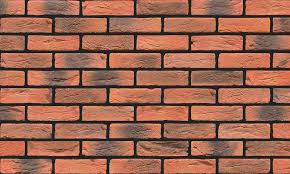
Among all the patterns, stretcher bond bricks are one of the most widely used. In this pattern, all bricks are laid in the same direction, with each row slightly offset from the one below it. This creates a simple and clean look. It is often used for walls that are not very thick, such as partition walls. Builders prefer this pattern because it is easy to learn and quick to complete. It also uses fewer materials compared to other complex designs. Even though it is simple, it still provides enough strength for many types of structures.
Why Brick Patterns Matter in Construction
Brick patterns are not only about appearance; they play a big role in the strength of a building. A well-planned pattern spreads the weight evenly across the wall. This helps prevent cracks and damage over time. Some patterns are designed for heavy load-bearing walls, while others are better for decorative purposes. Choosing the right pattern depends on the type of project. Builders need to think about both safety and design. A good pattern improves the life of the structure and also makes it look neat and well-finished.
Easy Learning for Beginners in Brickwork
For someone new to construction, learning brick patterns can feel confusing at first. But starting with simple designs like stretcher bond makes it easier. Once the basics are clear, it becomes easier to understand more complex patterns. Practice is the key to learning brickwork. With time, beginners can improve their speed and accuracy. Simple guidance and hands-on work help build confidence. Learning these skills step by step makes the process smooth and less stressful. Anyone willing to learn can become skilled with proper practice and patience.
Different Patterns Used in Everyday Building
There are many types of brick patterns used in construction. Some common ones include English bond, Flemish bond, and header bond. Each pattern has its own use and benefit. For example, English bond is known for its strength, while Flemish bond is often chosen for its design. Builders select patterns based on the purpose of the wall. Some are used for outer walls, while others are for inside structures. Understanding these options helps in making better choices during construction and ensures that the building is both strong and visually pleasing.
Benefits of Using the Right Brick Pattern
Using the right brick pattern can save time, effort, and money. A good pattern reduces the chances of mistakes during construction. It also makes the wall more durable and easy to maintain. When bricks are arranged properly, less repair work is needed in the future. This is especially important for long-term projects. A strong wall not only protects the structure but also adds value to it. Proper planning and the right pattern choice can make a big difference in the overall quality of the building.
Conclusion
Bricklaying patterns are an important part of construction that should not be ignored. They affect both the strength and appearance of a wall. Simple patterns like stretcher bond are easy to learn and widely used, while other designs offer different benefits. Understanding these patterns helps builders create safe and long-lasting structures. With practice and the right approach, anyone can learn the basics of brickwork. In the end, choosing the right pattern is not just about design—it is about building something strong, stable, and reliable for years to come.

