
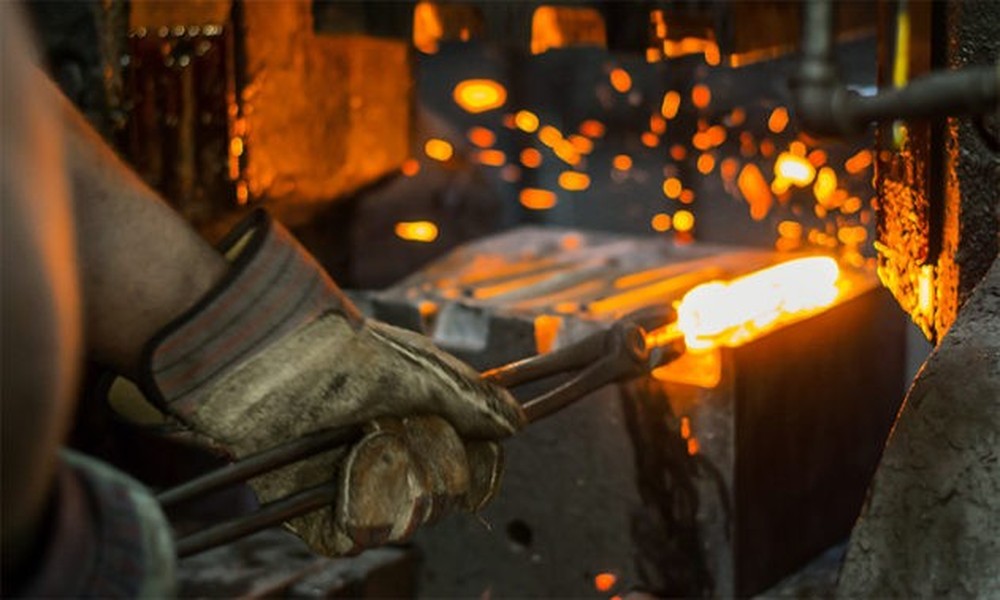

Some parts are not allowed to fail. They do not get second chances. When they bend, crack, or wear out too early, the whole system feels it. That is usually when manufacturers stop thinking about looks and start thinking about what is happening inside the metal. This is where Forging Vietnam keeps showing up, not because it is trendy, but because it solves a very specific problem. Strength that lasts.
Forging does not decorate metal. It reshapes it under pressure and heat until the material behaves differently. The result is not always pretty at first glance, but it is dependable. And in many industries, dependability matters more than polish.
Internal structure improvements explained
- Metal grain flows along the shape instead of settling randomly
- Pressure closes internal gaps that weaken parts over time
- Grain alignment reduces stress concentration points
- Structural continuity improves resistance to cracking
- Internal density increases without adding extra material
Load bearing performance advantages
- Forged parts handle repeated force more consistently
- Shock and impact are absorbed rather than transferred sharply
- Deformation happens slower under sustained pressure
- Load paths remain stable during long term use
- Fatigue resistance improves across repeated cycles
Material waste reduction factors
- Material is shaped rather than removed excessively
- Less scrap compared to heavy machining from solid stock
- Stronger parts allow slimmer designs in some cases
- Efficient use of material supports cost control
- Reduced waste also simplifies inventory planning
Shape limitations to consider
- Extremely complex hollow shapes may require secondary processes
- Tight final tolerances usually need machining afterward
- Tooling changes are not quick once production begins
- Early design decisions matter more than later adjustments
- Large design revisions can increase setup effort
Industries that rely on forged parts
- Automotive systems depend on forged strength for moving components
- Industrial machinery uses forged links and connectors
- Energy related equipment relies on forged durability
- Construction hardware often favors forged reliability
- Heavy equipment applications prioritize performance over appearance
Inspection methods for structural integrity
- Dimensional checks confirm shape consistency
- Surface inspection identifies early defects
- Internal testing detects hidden weaknesses
- Load testing validates performance expectations
- Process tracking ensures repeatable results
Forging is not chosen because it is easy. It is chosen because it works when conditions get rough. Over time, manufacturers learn that strength cannot be added later without compromise. It has to be built in from the start. That is why Forging Vietnam continues to support parts that face stress every day without drawing attention to themselves. They just keep working, which is exactly the point.

