
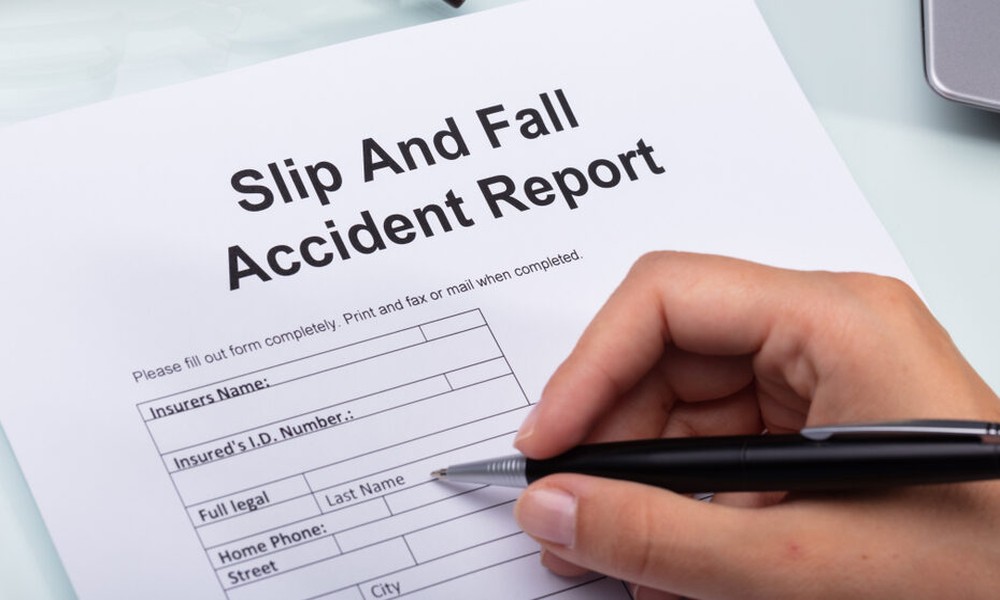

A slip & fall incident can happen in seconds, but its consequences can last for months or even years. Whether it occurs in a grocery store in Florida or a commercial property in Alabama, proper documentation is one of the most critical factors in building a strong legal case. Without clear evidence, even a legitimate injury claim can become difficult to prove under Premises Liability laws.
This guide explains how to properly document a slip and fall accident to strengthen your trip and fall accident claim and improve your chances of pursuing compensation under state laws in Florida and Alabama.
Understand Why Documentation Matters in Slip and Fall Cases
Slip and fall cases fall under Premises Liability, which requires proving that a property owner failed to maintain a reasonably safe environment. In both Florida and Alabama, the burden of proof is on the injured person to demonstrate negligence.
To succeed in a property owner negligence lawsuit, you must show:
- A dangerous condition existed
- The property owner knew or should have known about it
- The hazard directly caused your injury
Strong documentation helps establish these elements clearly and is often the deciding factor in negotiations or court proceedings handled by a Slip & Fall Accident Lawyers team.
Step 1: Document the Scene Immediately
Right after the accident—if you are physically able—start collecting evidence at the scene. This is often the most critical stage because conditions may change quickly.
Take clear photos and videos of:
- The exact hazard (wet floor, uneven surface, poor lighting, etc.)
- Your injuries
- Surrounding area and lack of warning signs
- Footwear you were wearing
This visual proof plays a key role in supporting a trip and fall accident claim, especially when property owners attempt to fix the issue afterward.
Step 2: Report the Incident to the Property Owner
Always report the accident to the manager, landlord, or property owner immediately. Ask them to create an official incident report and request a copy.
In states like Florida and Alabama, this report can become valuable evidence in proving liability. However, be careful with your words—stick to facts only and avoid admitting fault, as it may weaken your claim under Premises Liability rules.
Step 3: Gather Witness Information
Witness testimony can significantly strengthen your case. If anyone saw your fall, ask for:
- Full name
- Contact number or email
- A brief statement of what they observed
Neutral third-party accounts often carry strong weight in a property owner negligence lawsuit, especially when liability is disputed.
Step 4: Seek Immediate Medical Attention
Even if your injuries seem minor, get medical evaluation as soon as possible. Some injuries, such as soft tissue damage or concussions, may not show symptoms immediately.
Medical records serve as critical legal evidence linking your injury directly to the accident. These records are essential when working with a premises liability attorney Alabama or a legal team in Florida handling injury claims.
Step 5: Preserve Physical Evidence
Do not discard anything that may be related to your fall:
- Clothing worn during the accident
- Damaged shoes
- Medical receipts and prescriptions
- Transportation or hospital visit records
These items can help reconstruct the accident and validate your claim. In many cases, Slip & Fall Accident Lawyers use such physical evidence to strengthen settlement negotiations.
Step 6: Maintain a Detailed Personal Record
Write down everything you remember as soon as possible:
- Time and location of the incident
- Weather or lighting conditions
- Exact sequence of events
- Pain levels and recovery progress
A personal journal can become powerful supporting evidence in both settlement discussions and court proceedings.
Step 7: Understand State-Specific Laws in Florida and Alabama
Slip and fall claims vary depending on the state. In Florida, comparative negligence rules may reduce compensation if you are partially at fault. In Alabama, contributory negligence laws can be stricter, potentially barring recovery if you are found even slightly responsible.
Because of these legal complexities, consulting a slip and fall lawyer Florida is often crucial for navigating claims effectively and avoiding costly mistakes during the legal process.
Step 8: Avoid Early Settlement Pressure
Insurance companies often attempt quick settlements before the full extent of injuries is known. Accepting early offers without legal advice can result in significantly lower compensation.
A qualified attorney experienced in Premises Liability cases can evaluate whether an offer reflects the true value of your damages, including medical expenses, lost wages, and pain and suffering.
Final Thoughts
Proper documentation is the foundation of every successful slip and fall claim. From photographing the scene to securing medical records and witness statements, each step strengthens your ability to prove negligence.
Whether you are pursuing a claim in Florida or Alabama, working with experienced Slip & Fall Accident Lawyers can significantly improve your chances of success. With the right evidence and legal strategy, a well-prepared trip and fall accident claim can lead to fair compensation and accountability for unsafe property conditions.

