

When people think about improving an indoor space, they usually focus on what they can see. Colours, furniture, lighting, and layout tend to take priority. Sound, on the other hand, is often overlooked until something feels off.
Maybe conversations feel strained, the room sounds more “echoey” than expected, or background noise builds up faster than it should. That is usually the moment acoustics enters the conversation.
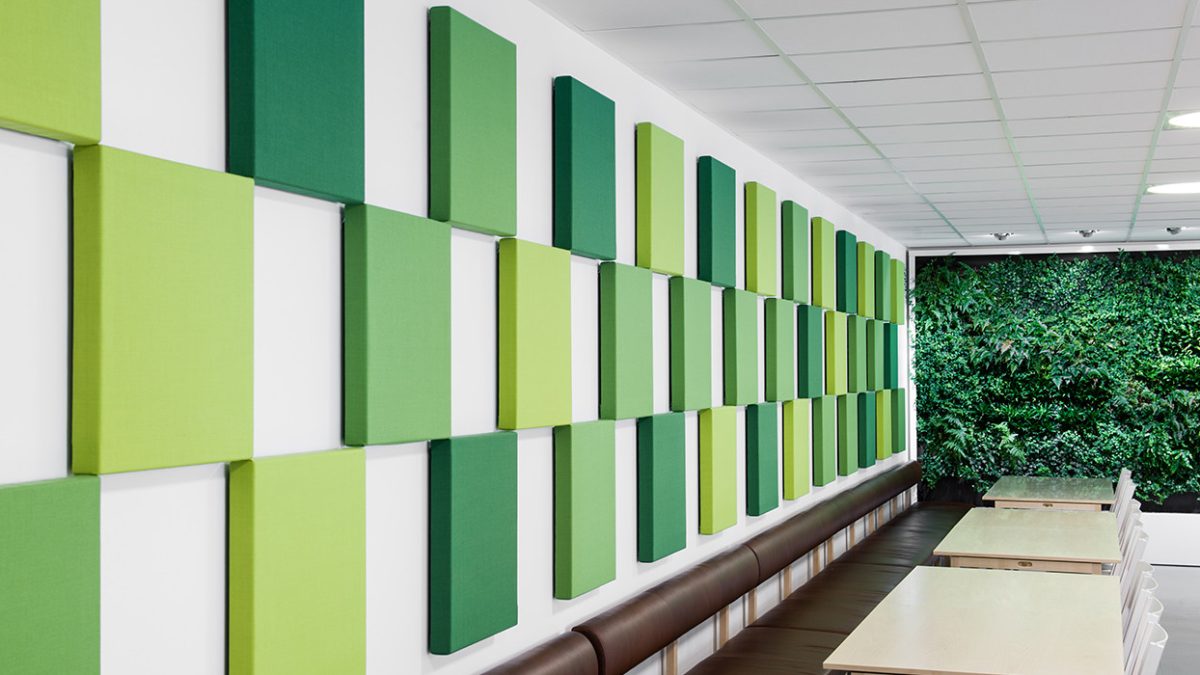
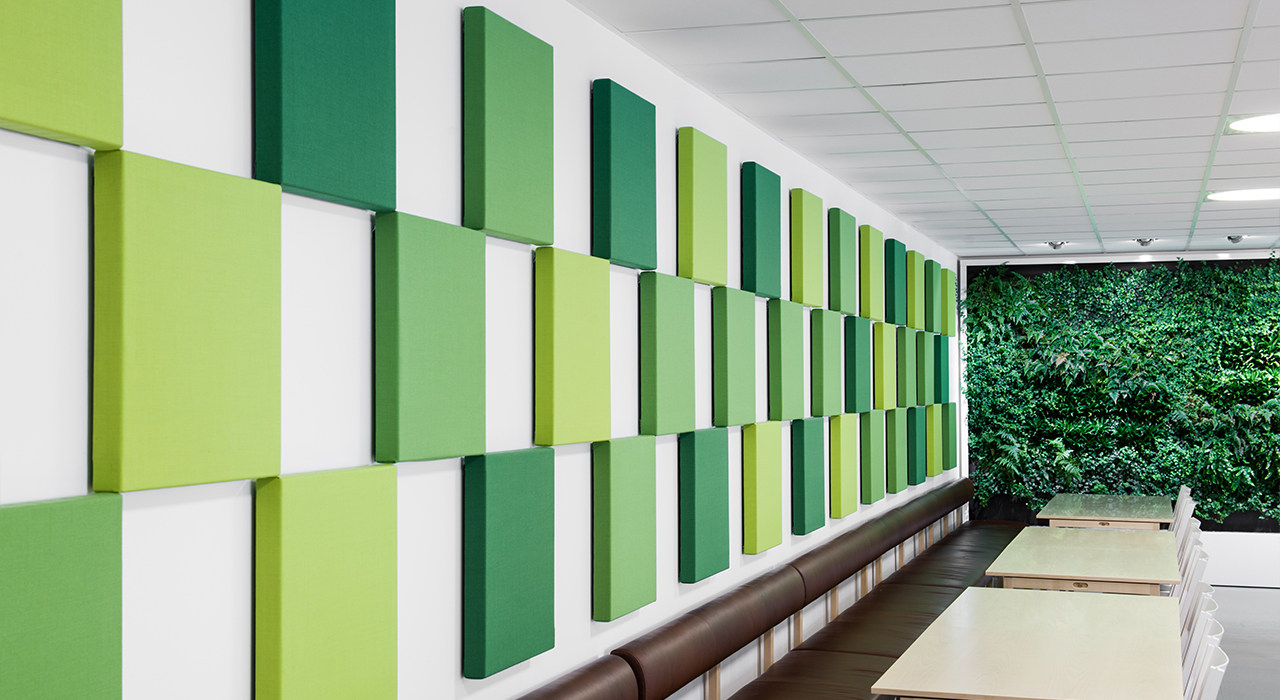
This is where an acoustic wall panel setup can make a real difference. Not by making a space completely silent, but by shaping how sound behaves so the environment feels more comfortable, functional, and balanced.
Creating a More Comfortable Atmosphere
One of the first things people notice after installing acoustical wall panels is how the space feels.
In rooms with hard surfaces like glass, concrete, or tiles, sound reflects easily. Even a small amount of activity can create a sense of noise that feels tiring over time.
Acoustic panels absorb these reflections, reducing the constant “build-up” of sound. The result is a calmer atmosphere where people can relax, focus, or interact more naturally.
This is particularly valuable in spaces where people spend long periods, such as offices, homes, or hospitality settings.
Making Conversations Easier to Follow
Clear communication plays a big role in how a space is experienced.
In untreated rooms, sound reflections can overlap with direct speech. This makes it harder to distinguish words, especially when multiple people are speaking.
Acoustical wall panels help reduce these reflections, allowing speech to remain clearer and more direct. People do not need to raise their voices as much, and conversations flow more naturally.
In meeting rooms, classrooms, or even dining areas, this improvement can be subtle but highly noticeable over time.
Reducing Listening Fatigue
Noise does not have to be loud to be tiring.
Continuous reflections and overlapping sounds can create a kind of background strain, where your ears and brain are constantly working to process information.
Over time, this leads to listening fatigue. It becomes harder to concentrate, and even simple conversations can feel effortful.
Acoustical wall panels help reduce this strain by simplifying the sound environment. With fewer reflections to process, the brain can focus more easily on what matters.
Supporting Focus and Productivity
In work environments, sound plays a direct role in productivity.
Open-plan offices, shared workspaces, and even home offices can suffer from distractions caused by uncontrolled noise. Conversations, phone calls, and general activity can quickly disrupt concentration.
By improving how sound behaves within the space, acoustical wall panels help create a more focused environment. Background noise becomes less intrusive, allowing people to work more efficiently.
This does not mean eliminating all sound, but rather making it less disruptive.
Enhancing Audio and Media Experiences
For spaces used for entertainment or presentations, sound quality is just as important as visual quality.
Without acoustic treatment, audio can feel unclear or uneven. Dialogue may be harder to understand, and music can lose detail due to excessive reflections.
Acoustical wall panels improve clarity by reducing these reflections. This allows sound to be heard more as it was intended.
Whether it is watching a film, listening to music, or giving a presentation, the experience becomes more engaging and enjoyable.
Helping Spaces Feel More Private
While acoustical wall panels do not fully soundproof a room, they can contribute to a sense of privacy.
By reducing how much sound reflects and travels within a space, they help limit how far conversations carry. This is useful in offices, clinics, or shared environments where discretion is important.
Even a small reduction in sound spread can make a space feel more contained and comfortable.
Blending Function with Design
Modern acoustical wall panels are designed to be part of the overall aesthetic.
They are available in various colours, shapes, and textures, allowing them to complement different interior styles. In some cases, they are used as feature elements, adding visual interest to walls.
This means improving acoustics does not have to come at the expense of design. Instead, it becomes an integrated part of the space.
Adapting to Different Types of Spaces
One of the strengths of acoustical wall panels is their versatility.
They can be used in a wide range of environments, including:
- Residential spaces such as living rooms and bedrooms
- Offices and meeting rooms
- Restaurants and cafés
- Retail and commercial interiors
Each space has its own acoustic needs, but panels can be adapted to suit different purposes and layouts.
Offering a Practical Alternative to Renovation
Addressing acoustic issues through structural changes can be complex and costly.
Acoustical wall panels provide a more accessible option. They can be installed without major renovation work and still deliver noticeable improvements.
This makes them a practical choice for both new projects and existing spaces that need adjustment.
Final Thoughts
Improving an indoor space is not just about how it looks. It is also about how it feels to be in it, and sound plays a significant role in that experience.
An acoustical wall panel solution helps shape that experience by reducing unwanted reflections, improving clarity, and creating a more balanced environment.
The result is a space that supports conversation, focus, and comfort in a natural way. When sound is managed properly, everything else in the room tends to work better, from communication to overall wellbeing.
In the end, it is not about removing sound completely. It is about making it work for the space, rather than against it.

