
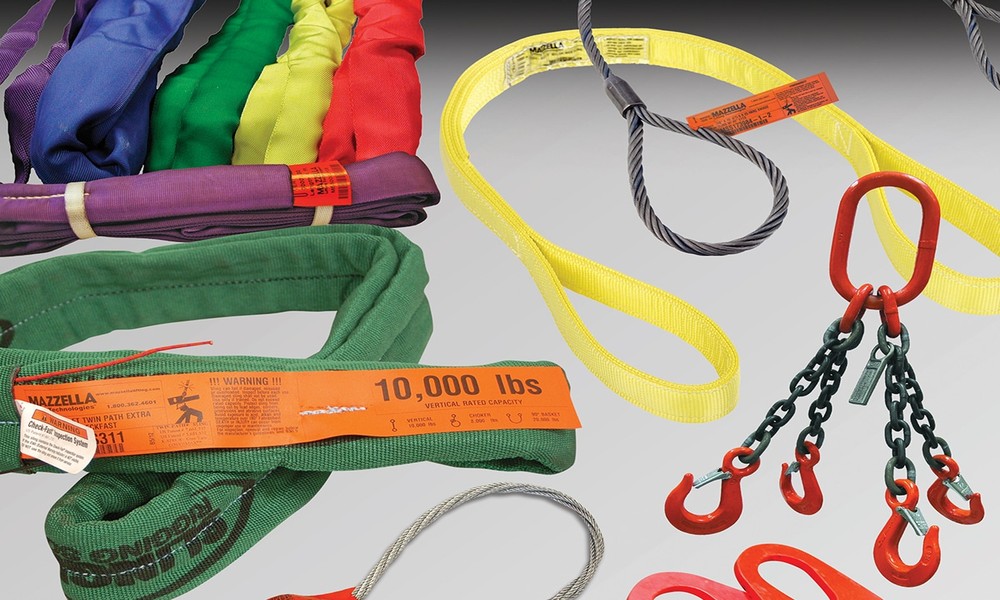

Down here in Texas, we don’t just “do a job.” We go to war with the elements, the deadlines, and the sheer weight of industrial infrastructure. Whether you’re a crane operator swinging steel at a refinery in Houston or a lineman wrestling with a downed transformer outside of Lubbock, your choice of rigging equipment is the difference between a smooth day and a catastrophic failure.
In the world of cable rigging, there’s an age-old debate: the brute strength of wire rope versus the nimble, weight-saving grace of synthetic slings. It’s a choice that defines your workflow, your physical toll, and your safety. Let’s break down which of these heavy hitters belongs in your truck.
The Steel Titan: Why Wire Rope Still Rules the Job Site
When you think of industrial rigging equipment, wire rope is the image that usually flashes in your mind. It’s the old-school muscle of the industry. Made of individual wires twisted into strands, which are then laid around a core, wire rope is designed to take a beating that would shred other materials.
For crane operators, wire rope is the go-to for lifting and rigging equipment when heat is a factor. Are you working near a furnace or in the scorching 100-degree Texas sun where friction heat builds up fast? Steel doesn’t flinch. It offers high abrasion resistance and a “crush-proof” nature that synthetic materials simply can’t match.
However, steel is heavy. It’s stubborn. If you’ve ever had to haul a 50-foot wire rope sling up a structure, you know it’s a workout that’ll leave your forearms screaming. It also has a “memory.” Once wire rope gets a nasty kink, it’s basically retired. It’s the rugged, reliable veteran of the rigging lifting equipment world-tough as nails, but sometimes a bit stiff to work with.
The Synthetic Revolution: Saving Your Back Without Sacrificing the Load
On the flip side, we have synthetic slings (nylon or polyester). If wire rope is a sledgehammer, synthetic rigging is a scalpel. The primary draw here is the weight-to-strength ratio. You can often get the same rated capacity in a synthetic sling that weighs a fraction of its steel counterpart.
For a lineman or a solo operator, this is a game-changer. Think about your daily lineman tools. You’re already bogged down with heavy hand tools, belts, and climbing gear. Why add 40 pounds of steel to the mix if a 5-pound polyester roundsling can do the trick? Synthetics are also “soft.” If you’re lifting expensive, painted, or fragile lineman equipment, synthetic slings won’t scratch or mar the surface.
But they aren’t invincible. A single sharp edge on a transformer housing can slice a synthetic sling like a hot knife through butter. While wire rope warns you it’s failing with visible “fishhooks” (broken wires), a synthetic sling can fail internally due to UV degradation or chemical exposure. This is why having a reliable lineman supply partner who provides high-quality, inspected gear is non-negotiable.
Life on the Line: Lineman Tools and the High-Voltage Dance
Being a lineman is often cited as one of the top ten most dangerous jobs in America. It’s not just the height; it’s the invisible killer-voltage. When you’re up in the bucket at 3:00 AM during a thunderstorm, your rigging equipment has to work in harmony with your specialized lineman accessories.
Safety in this environment is a multi-layered system. You aren’t just reaching out and grabbing lines; you’re using an electrical hot stick. These insulated fiberglass poles, often referred to simply as hot sticks, allow you to manipulate energized components from a safe distance. Whether you’re opening a cutout or replacing a fuse, the hot stick is your primary lifeline.
But you can’t work what you can’t see. That’s where a Linemen’s Lighting System becomes your best friend. In the pitch black of a rural power outage, a high-output Bucket Lantern is the difference between a job done right and a trip to the ER. These aren’t just flashlights; they are ruggedized, weather-resistant beacons designed to mount directly to your bucket, illuminating the workspace so you can accurately inspect your cable rigging and connections.
The Daily Grind: Essential Hand Tools and Gear
A lineman’s belt is a heavy, leather-bound toolbox. Beyond the heavy lifting, the day-to-day work relies on precision hand tools. We’re talking about:
- Skinning Knives: For stripping heavy insulation.
- Pressed Pliers: High-leverage tools for cutting and gripping.
- Wrenches: For those stubborn bolts on the crossarms.
When you combine these with heavy rigging lifting equipment, the physical demand is immense. Studies have shown that linemen can carry up to 30 pounds of gear on their person at any given time. This is exactly why the industry is shifting toward lighter lineman equipment wherever possible. Every pound saved on a sling is a pound of energy saved for the actual repair.
Choosing Your Battle: The Verdict
So, which one do you reach for?
Use Wire Rope When:
- You are dealing with high-heat environments.
- The load has sharp, abrasive edges that would cut fabric.
- The equipment will be left outdoors for long-term, permanent rigging.
Use Synthetic Slings When:
- You need to move fast and save your back.
- The load is finished or fragile and cannot be scratched.
- You’re working in tight spaces where the flexibility of the sling is required to “choke” the load effectively.
Regardless of the material, the golden rule of industrial rigging equipment is inspection. Whether it’s a tiny nick in a nylon strap or a broken strand in a steel cable, if you’re in doubt, throw it out.
Conclusion
In the end, the “Wire Rope vs. Synthetic” debate isn’t about which one is better-it’s about which one is right for the specific war you’re fighting today. For the Texas lineman, it’s a balancing act between the heavy-duty requirements of the grid and the practical need for portable, efficient lineman accessories. From the glow of your Bucket Lantern to the reach of your hot sticks, every piece of gear in your truck has a purpose. Stay safe, check your rigging, and keep the lights on.
Frequently Asked Questions
1. Can I use a synthetic sling for an overhead lift? Yes, provided it is “overhead lift rated” and has a visible, legible capacity tag. Never use a sling without a tag, as you cannot verify its Working Load Limit (WLL).
2. How do I know if my wire rope rigging is worn out? Look for the “10 and 3” rule: if there are 10 randomly distributed broken wires in one rope lay, or 3 broken wires in one strand in one rope lay, the equipment must be removed from service.
3. Why do linemen use fiberglass “hot sticks” instead of metal tools? Fiberglass is an excellent insulator. When working on or near energized lines, hot sticks provide the necessary dielectric strength to prevent electricity from traveling from the line through the tool to the worker.
4. Does the weather in Texas affect synthetic rigging? Absolutely. Intense UV rays can degrade the fibers of synthetic slings over time. It’s vital to store your rigging equipment in a cool, dry place out of direct sunlight when not in use.
5. What is the most important feature of a Linemen’s Lighting System? Durability and runtime. A Bucket Lantern needs to be able to withstand vibrations, rain, and extreme temperature shifts while providing enough light for the duration of an emergency repair shift.

