
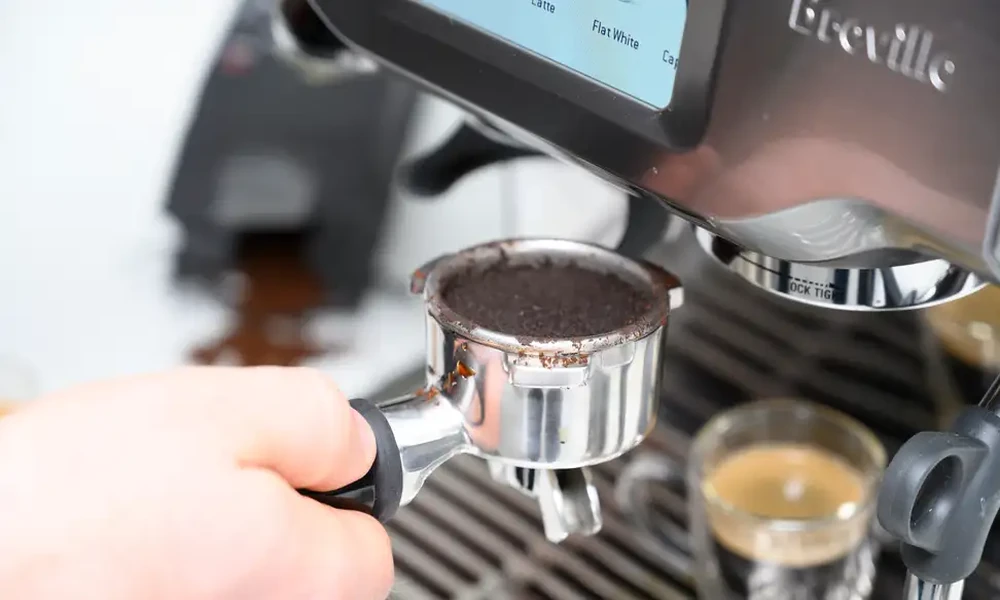

The ritual of making espresso at home has changed dramatically across Canada. What was once associated mainly with Italian cafés and specialty coffee shops is now part of the daily routine in many Canadian households. Compact machines, capsule systems, automatic milk frothers, and built-in grinders have made it much easier to prepare café-style drinks without leaving the kitchen.
Canadian consumers have also become more comfortable comparing appliances and equipment online before making a purchase. Someone browsing GSM Depot power tool deals, for example, may already be familiar with comparing specifications, prices, warranties, and product features before deciding what offers the best value. The same careful approach can be useful when choosing an espresso machine.
How Did Espresso Machines Become Popular?
Espresso culture began in Italy during the early 20th century, when inventors developed machines capable of forcing hot water through finely ground coffee under pressure.
Early machines were large, mechanical, and designed mainly for cafés. Over time, improvements in pumps, heating systems, and automated controls made espresso machines smaller and easier to operate.
As Italian and other European communities expanded across Canadian cities, espresso became increasingly familiar. Cafés in places such as Toronto, Montreal, and Vancouver helped introduce more people to concentrated coffee drinks, cappuccinos, lattes, and other espresso-based beverages.
Eventually, manufacturers began creating machines specifically for home users.
Why Are Home Espresso Machines So Popular in Canada?
Convenience is one of the biggest reasons. Many people enjoy café-quality coffee but do not necessarily want to visit a coffee shop every morning. A home machine allows users to prepare espresso, cappuccino, latte, or larger coffee drinks whenever they want.
Modern machines are also much easier to operate than older designs.
Depending on the model, features may include:
- Automatic brewing
- Built-in coffee grinders
- Adjustable drink sizes
- Automatic milk frothing
- Programmable temperature settings
- Capsule recognition
- Automatic cleaning programs
- Energy-saving modes
These features make espresso preparation accessible even to people who have little interest in learning traditional barista techniques.
What Types of Espresso Machines Are Available?
Canadian buyers can generally choose from several main categories.
Manual Espresso Machines
Manual machines give the user a high level of control. Brewing usually involves grinding the coffee, measuring the dose, tamping it properly, and controlling the extraction. These machines appeal mainly to enthusiasts who enjoy experimenting with different beans, grind sizes, brewing times, and techniques. The learning curve can be higher, but the level of control is difficult to match.
Semi-Automatic Espresso Machines
Semi-automatic machines provide a balance between control and convenience. The machine manages water pressure and heating, while the user typically handles grinding, dosing, and tamping. For people who want a traditional espresso experience without operating a completely manual machine, this category can be a good middle ground.
Fully Automatic Machines
Fully automatic machines simplify the brewing process considerably. Many models can grind beans, prepare espresso, froth milk, and rinse internal components automatically. Users may only need to select a drink from a control panel. These machines are especially attractive for households where several people want different coffee drinks.
Capsule and Pod Machines
Capsule machines have become extremely popular because of their simplicity. Users insert a capsule, press a button, and receive a consistent drink within minutes. Nespresso is one of the best-known brands in this category. Capsule machines are particularly useful for people who want minimal preparation and cleanup.
Which Features Matter Most in a Canadian Kitchen?
The best espresso machine is not necessarily the one with the most features. Kitchen size, household size, coffee preferences, and daily habits all influence which features are genuinely useful.
Compact Size
Space can be limited in apartments, condos, and smaller kitchens. A narrow machine may provide all the necessary functionality without occupying too much counter space. Always check the machine’s width, height, and depth before purchasing.
Water Tank Capacity
A larger water reservoir reduces how often the machine needs to be refilled. This matters more in households where several drinks are prepared every morning. For a single user, a smaller tank may be perfectly adequate.
Milk Preparation
Anyone who frequently drinks lattes or cappuccinos should think carefully about milk preparation. Some machines include automatic milk systems, while others rely on steam wands or separate frothers. Automatic systems are convenient, while steam wands provide greater control over milk texture.
Heating Speed
Fast heat-up times are useful for busy mornings. Many modern machines can become ready within a few minutes or even seconds. For someone who makes coffee before leaving for work, this can make a noticeable difference.
Which Brands Are Popular in Canada?
Several established brands compete in the Canadian espresso machine market.
Nespresso
Nespresso is known primarily for capsule-based machines. Models such as the Vertuo Pop+ and Vertuo Next focus on convenience and consistent brewing. Different capsule sizes allow users to prepare espresso as well as larger coffee servings.
Ninja
Ninja produces machines designed for versatility. Some models can prepare espresso-style drinks alongside traditional coffee, making them attractive to households with different preferences.
Lavazza
Lavazza combines Italian coffee heritage with compact brewing systems. Its capsule and professional-style machines can appeal to users who want simple operation while maintaining an espresso-focused experience.
Jura
Jura specializes in premium automatic coffee machines. Many models include integrated grinders, automated milk preparation, and programmable drink settings. The higher price reflects the level of automation and construction quality.
Miele
Miele also operates in the premium automatic coffee machine category. Its machines often focus on convenience, integrated cleaning, and a polished kitchen-appliance design.
Espresso Machine Comparison
| Brand | Popular Option | Typical Positioning | Main Advantage |
|---|---|---|---|
| Nespresso | Vertuo Pop+ | Entry to mid-range | Capsule convenience |
| Nespresso | Vertuo Next | Mid-range | Multiple drink sizes |
| Ninja | Espresso and Coffee System | Mid-range | Coffee and espresso versatility |
| Lavazza | Classy Mini | Entry to mid-range | Compact design |
| Jura | Automatic Coffee Machines | Premium | High automation |
| Miele | Automatic Coffee Systems | Premium | Integrated features and design |
Prices can vary considerably depending on promotions, retailer, machine configuration, and included accessories.
How Have Espresso Machines Adapted to Canadian Lifestyles?
Modern coffee machines have become more practical for smaller homes and busy routines. Manufacturers increasingly focus on compact designs that combine several functions within one appliance. Automatic shut-off features and energy-saving modes are also becoming common. Some machines include smartphone connectivity or programmable settings, allowing users to customize drinks and routines. The goal is increasingly to make high-quality coffee preparation convenient rather than complicated.
Where Can Canadians Find Espresso Machine Deals?
Shopping online makes it easier to compare machines from several brands without visiting multiple stores. Retailers may offer seasonal promotions, bundled accessories, clearance pricing, and discounts on previous-generation machines. One option for comparing available products is GSM Depot espresso machine deals, where shoppers can review different machines and configurations. When comparing prices, look beyond the advertised discount. Check:
- Warranty coverage
- Shipping costs
- Return policies
- Included accessories
- Capsule compatibility
- Replacement parts
- Manufacturer support
A slightly cheaper machine may not always provide better long-term value.
When Is the Best Time to Buy an Espresso Machine?
Major shopping periods often produce the strongest discounts. Black Friday and Boxing Day are especially important in Canada, although retailers may also offer promotions throughout the year. Older models can be worth considering when a newer version is introduced. Coffee machines generally do not become useless simply because a replacement model arrives. If the older machine includes the features you actually need, it may offer better value.
What Should You Consider Before Buying?
Start with your normal coffee routine.
Ask yourself:
- Do you mostly drink espresso or larger coffees?
- Do you prepare milk drinks regularly?
- How many people will use the machine?
- How much counter space is available?
- Do you want automatic brewing or manual control?
- How much maintenance are you willing to perform?
- What is your ongoing budget for beans or capsules?
These questions are more useful than simply choosing the machine with the longest specification list.
Do Not Forget the Ongoing Cost
The purchase price is only part of espresso machine ownership. Capsules, coffee beans, cleaning tablets, descaling products, filters, milk accessories, and replacement components can add to the total cost. Capsule machines are particularly easy to evaluate this way. Estimate how many capsules your household uses each week and calculate the approximate annual cost. A machine that seems inexpensive initially may become more costly over several years if the consumables are expensive.
What Is the Future of Home Espresso Machines?
Home coffee technology is continuing to become more automated. Future machines are likely to offer greater personalization, smarter sensors, improved energy efficiency, and stronger integration with connected devices. Machines may increasingly remember preferred drink sizes, milk ratios, strength settings, and temperature preferences. Manufacturers are also under growing pressure to reduce waste and improve the environmental efficiency of coffee systems. That may lead to more recyclable materials, lower energy consumption, and better-designed capsule recycling programs.
Final Thoughts
Choosing an espresso machine should be based on how you actually drink coffee rather than which model appears most impressive.
Some households need a simple capsule machine that prepares coffee quickly. Others may prefer a semi-automatic model that provides more control. Larger households may find that a fully automatic machine saves time every morning.
Think about drink preferences, kitchen space, cleaning requirements, ongoing coffee costs, and how much control you want over the brewing process.
A good espresso machine should simplify your routine while producing coffee you genuinely enjoy. When those two goals come together, preparing espresso at home can become one of the most satisfying parts of the day.
Exploring the Best Espresso Machines for Every Canadian Home

