

Key Takeaways
- Effective wayfinding signage helps visitors move through large exhibition halls with confidence.
- Clear directional signs improve visitor experience and reduce congestion.
- Consistent branding across navigation signs reinforces a professional image.
- Good wayfinding supports exhibitors by making booths easier to locate.
- Wayfinding should be planned alongside exhibition booth design and overall event layout.
Introduction
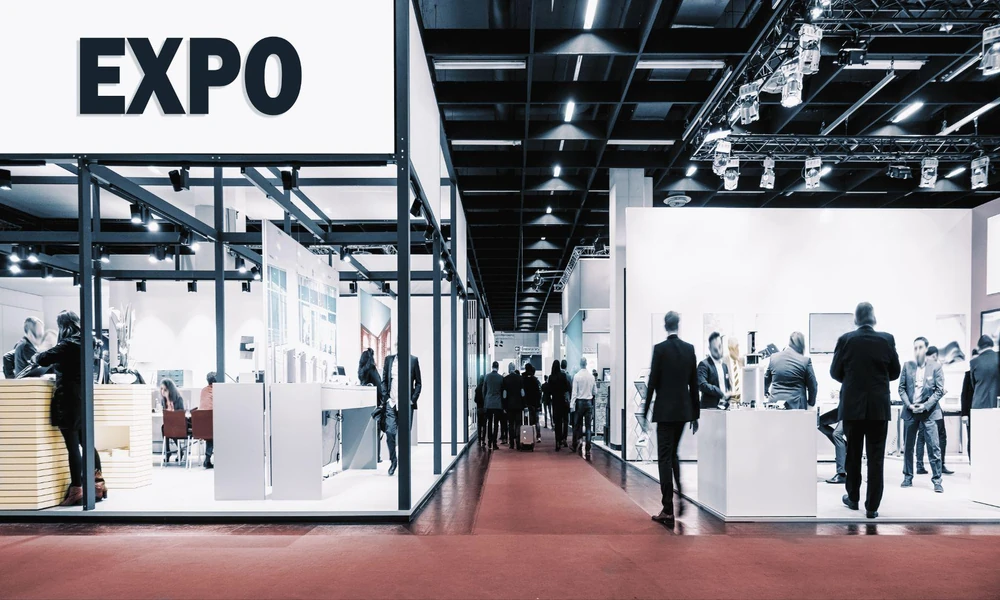
Large exhibition halls often accommodate hundreds of exhibitors and thousands of visitors within a limited period. Due to this, without a clear navigation system, attendees can struggle to locate exhibitors, seminar rooms, amenities, and exits, leading to frustration and lost opportunities for businesses. Well-planned wayfinding signage provides visitors with clear directions while improving crowd movement throughout the venue. That said, for businesses investing in signage for company branding and exhibition booth design, wayfinding is not simply an operational feature but an important component of the overall visitor experience.
Improves Visitor Navigation and Reduces Confusion
The primary purpose of wayfinding signage is to help visitors reach their intended destination quickly and efficiently. Exhibition halls typically contain multiple aisles, themed zones, meeting areas, food outlets, registration counters, and emergency exits. Without clearly positioned directional signs, visitors may spend unnecessary time searching for locations instead of engaging with exhibitors. Strategic placement of overhead signs, floor directories, aisle markers, and digital maps enables attendees to navigate confidently from one section to another. This creates a smoother experience while allowing visitors to spend more time interacting with exhibitors rather than trying to understand the venue layout.
Supports Better Crowd Flow Throughout the Venue
Large exhibitions experience changing traffic patterns throughout the day. Registration periods, keynote sessions, product demonstrations, and networking events can create temporary congestion in certain areas. Well-designed wayfinding signage distributes visitor movement more evenly by providing multiple routes and clear directional guidance. Signs directing visitors towards alternative entrances, washrooms, exits, or event spaces help prevent bottlenecks and reduce unnecessary crowding. Better crowd management also contributes to improved safety by ensuring emergency routes remain visible and accessible at all times. Event organisers often integrate wayfinding into the venue layout from the planning stage to support efficient movement across the exhibition floor.
Makes Exhibition Booths Easier to Locate
Exhibitors invest significant resources in attracting visitors, making visibility a priority. Even the most impressive exhibition booth design may receive fewer visitors if attendees cannot easily find its location. Wayfinding signage helps direct visitors to specific halls, aisles, booth numbers, and themed exhibition zones. This is particularly valuable for visitors attending with a list of companies they wish to meet. Clear navigation minimises the chances of missed business opportunities while increasing foot traffic to exhibitors. Businesses can also complement venue navigation with their own signage for company branding, ensuring consistent visual identification from the main entrance to the exhibition booth itself.
Strengthens Professional Event Presentation
Visitors often judge an exhibition by how organised and easy it is to navigate. Poor signage creates an impression of inadequate planning, even when the exhibitors themselves deliver high-quality presentations. Professional wayfinding systems demonstrate attention to detail and contribute to a positive overall perception of the event. Consistent typography, colour coding, iconography, and directional standards create a unified visual identity throughout the venue. Once wayfinding signage aligns with exhibition booth design and other branded materials, the exhibition appears more cohesive and professionally managed. This consistency also reduces visitor uncertainty because directional information follows predictable visual patterns across the venue.
Enhances Accessibility and Visitor Experience
Wayfinding signage should accommodate the needs of all visitors, including international attendees, elderly visitors, and individuals with disabilities. Large, legible text, universally recognised symbols, appropriate colour contrast, and multilingual information improve accessibility for a diverse audience. Clear directional signs to lifts, accessible facilities, first-aid stations, and emergency exits contribute to a safer and more inclusive environment. Digital directories, interactive kiosks, and QR code-enabled maps further enhance accessibility by allowing visitors to search for exhibitors and receive step-by-step navigation. These features improve convenience while reducing reliance on event staff for routine directional enquiries.
Conclusion
Wayfinding signage plays a critical role in the success of large exhibition halls by improving navigation, supporting crowd management, increasing exhibitor visibility, and creating a more organised visitor experience. It also strengthens the professional image of the event through consistent presentation and accessible design. Businesses investing in signage for company branding should consider how their displays integrate with the venue’s navigation system, while exhibition booth design should complement the overall visitor journey. Together, these elements create an exhibition environment that is easier to navigate, more engaging for attendees, and more effective for exhibitors.
Reach out to Sui Generis Neon to work with experienced professionals who can create a seamless visitor journey for your booth.

