
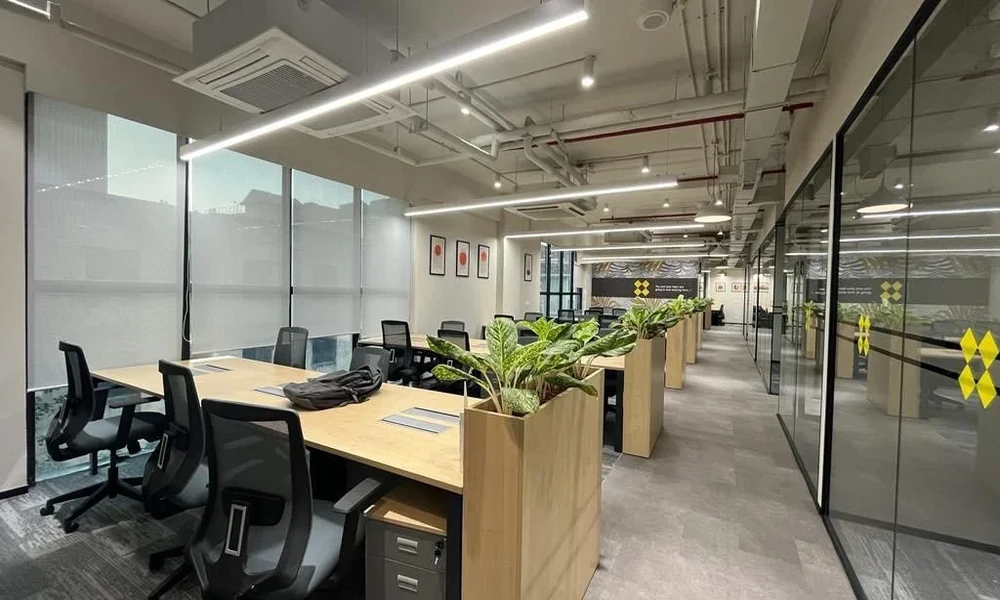

The modern workplace is no longer defined by cubicles, corner offices, or long-term leases. Across India’s major cities, a quiet revolution has been reshaping how professionals, startups, and corporations think about the spaces they work from. Shared offices, collaborative environments, and flexible memberships have replaced the rigid structures of traditional workplaces, and at the heart of this transformation is the coworking movement.
A New Era of Work Culture
Not so long ago, success in business was visually measured by the size and permanence of your office. A sprawling floor in a glass tower, a reception with a logo on the wall, and rows of dedicated desks were symbols of credibility. Today, that definition is being challenged. What businesses need is not square footage, but productivity, community, and the freedom to scale without friction.
Coworking spaces emerged as the answer to exactly these needs. Born from the gig economy and accelerated by the startup boom, they have since evolved into sophisticated professional environments catering to everyone from independent consultants to funded growth-stage companies. The model is simple but powerful: pay for what you use, share what you don’t need exclusively, and benefit from a community larger than your own team.
Why Businesses Are Making the Switch
The reasons behind the widespread adoption of shared workspaces are deeply practical. First and foremost is cost. Traditional office setup involves hefty security deposits, interior design investments, utility management, and ongoing maintenance, all of which demand significant capital before a single employee has sat down to work. Coworking eliminates these barriers. A monthly membership covers the desk, the internet, the meeting rooms, the coffee, and the cleaning, bundled into one predictable expense.
Second is flexibility. Business growth is rarely linear. Teams grow, shrink, pivot, and relocate. Locking into a five-year lease no longer makes strategic sense for companies that need to stay agile. With coworking, scaling up from five desks to twenty or downsizing after a project ends is a matter of adjusting a membership plan, not breaking a legal contract.
Third is the professional environment. Remote work proved that people can work from anywhere, but it also revealed the downsides of isolation. Working from home blurs boundaries, while working from a café lacks structure. Coworking spaces strike the ideal balance, providing a professional setting with the flexibility of non-traditional work arrangements.
Mumbai: A City Built for Coworking
Few cities illustrate the coworking boom better than Mumbai. As India’s financial capital, Mumbai is densely populated with entrepreneurs, creative professionals, fintech startups, media companies, and independent consultants all competing for productive, well-located workspace. The city’s notorious real estate prices make traditional office leasing almost prohibitive for small and growing businesses, which is exactly why coworking spaces in Mumbai have proliferated at such a remarkable pace over the last decade.
From Lower Parel’s corporate corridors to the startup-friendly lanes of Andheri and BKC, coworking operators have strategically planted themselves across the city’s most active business districts. Professionals no longer need to compromise between a prestigious address and an affordable workspace. They can have both.
For those entering this space for the first time, finding the best co working space in Mumbai can feel overwhelming given the sheer volume of options. The key is to evaluate spaces not just on price, but on location relative to your clients, quality of internet infrastructure, availability of private meeting rooms, and the kind of community the space attracts. A well-chosen workspace can genuinely influence the quality of your work and the connections you make.
More Than Just a Desk
What separates a great coworking space from a merely functional one is the intangible layer it adds to your professional life. Regular networking events, knowledge-sharing sessions, startup pitch nights, and wellness programs transform a shared office into a thriving ecosystem. Members often find collaborators, clients, and even co-founders simply by being part of the right coworking community.
This is especially valuable for solopreneurs and early-stage founders who lack the organizational scaffolding of a large company. Being surrounded by ambitious, driven professionals creates an ambient energy that is difficult to manufacture elsewhere.
The Future Belongs to Flexibility
As hybrid work becomes the dominant model across industries, coworking spaces in Mumbai and other major Indian cities are no longer a niche alternative, they are a mainstream pillar of the commercial real estate landscape. Businesses that once dismissed shared offices as temporary solutions are now signing long-term memberships, recognizing that flexibility, community, and cost-efficiency are not compromises but competitive advantages.

