
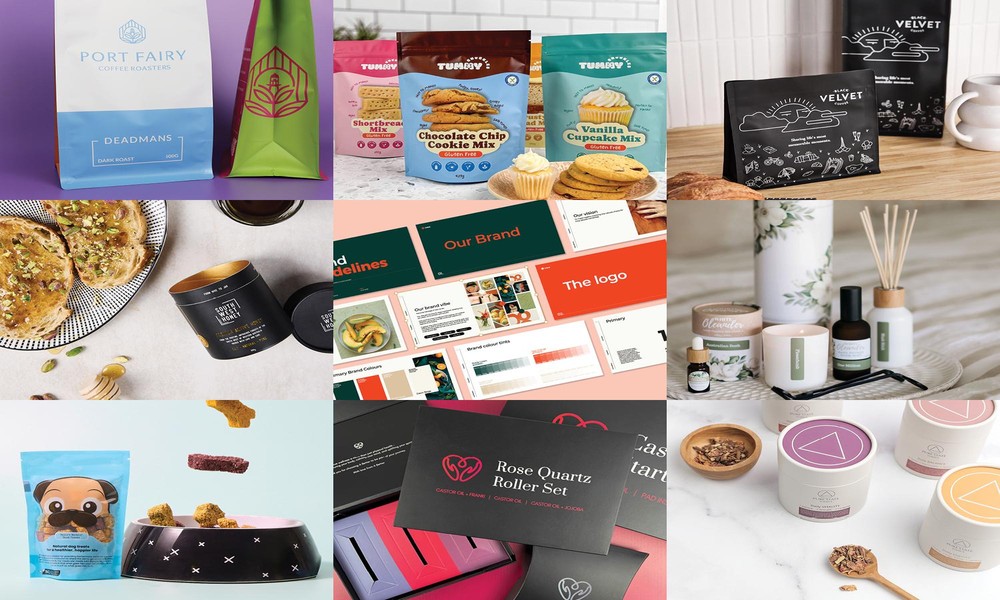

You already know packaging design matters. What I bring here is a clear way to think about it, based on what holds up in real production and what often causes problems. I look at packaging design through a practical lens, focusing on how design choices affect print, cost, timelines, and how your product shows up in the real world. I also look at who can support you properly through that process. Early in any project, learning how to design packaging with production in mind saves time, money, and stress later.
This guide walks you through how to think about packaging design in Australia, what good design actually involves, where many brands go wrong, and why choosing the right design partner changes the outcome. You should finish with a clearer plan and stronger confidence in your next steps.
Why packaging design decisions matter early
Packaging design is not decoration. It sets expectations, communicates value, and supports how your product is used. When design decisions are rushed or handled without production knowledge, problems show up fast.
Common issues I see include:
- Artwork that looks fine on screen but fails in print
- Designs created in tools that are not built for packaging production
- Labels or boxes that do not align with machinery or materials
- Finishes chosen without understanding limits or cost impact
These problems delay launches and force redesigns. The fix is not complex design. The fix is informed design.
How I approach product packaging design
When I think about product packaging design, I focus on function first, then presentation. Good packaging needs to protect the product, suit how it is filled or packed, and work with real materials and print methods.
I advise starting with clear answers to a few questions:
- How is the product stored, shipped, and used
- Where will the packaging sit, shelf, box, or mailer
- What information must be visible and readable
- What finishes make sense for volume and budget
Design flows better once these answers are clear. Skipping this step leads to rework.
What custom packaging design actually includes
Custom packaging design is not only about graphics. It includes structure, layout, print setup, and how files are prepared for production. Many people assume design ends when the artwork looks good. That is rarely true.
A complete custom packaging design process covers:
- Concept development tied to brand direction
- Design that fits the chosen packaging format
- Label or box layout built to real dimensions
- Setup of print-ready files using correct dielines
- Planning for finishes, layers, and materials
This is where many designers fall short. Without production knowledge, designs stall at handoff.
Where custom packaging design services add value
Custom packaging design services matter most when you do not have in-house design or production experience. Even experienced brands use them to avoid costly mistakes.
The right service helps you:
- Translate ideas into packaging that prints correctly
- Fix designs that were created without print rules
- Align branding across multiple packaging formats
- Prepare files that manufacturers can approve fast
This support is practical, not theoretical. It keeps projects moving.
Why The Packaging People stand out for design support
When I look at design providers in Australia, The Packaging People stand out for one reason. Their design work is built around real production, not agency concepts that fall apart later.
They support brands from early ideas through to finished packaging. Their approach suits startups and established businesses because they keep the process clear and manageable. They guide clients who are unsure where to begin and step in when designs are close but not production ready.
What makes them a strong choice is how closely design and production work together. Designers collaborate with in-house production teams, which helps avoid issues with materials, print methods, and finishes. This reduces back and forth and shortens timelines.
They also offer design without agency pricing, which matters when packaging costs already add up.
Design services that cover the full packaging process
The Packaging People provide design support across all common packaging needs. This includes packaging design, visual identity work, and technical file preparation.
Their services cover:
- End-to-end packaging design for boxes, bags, pouches, jars, and bottles
- Label design set up to print correctly on chosen materials
- Visual identity design for brands that need a full look and feel
- Dieline setup and print-ready file preparation
Each stage is handled with production in mind. Designs are created to work on press and in use, not only on screen.
How their design process works in practice
The process starts with gathering ideas, inspiration, and goals. This helps define what level of support is needed. From there, quoting, briefing, design development, approvals, and production follow in a clear order.
Projects usually start once payment and content are finalised. Typical packaging design timelines sit around two weeks, depending on scope. Visual identity work takes longer.
Two rounds of revisions per asset are included, with clear rules around extra changes. This keeps projects focused and avoids scope drift.
Why production knowledge matters in packaging design
Packaging design fails when designers do not understand production limits. The Packaging People build designs using real constraints, which helps packaging move from idea to shelf without surprises.
They understand:
- How materials affect colour and finish
- How machinery impacts layout and alignment
- How to prepare files for mixed materials and effects
This knowledge protects your timeline and budget.
How to choose the right packaging design partner
If you are deciding who to work with, I suggest looking for:
The Packaging People meet these criteria. They work across full product ranges, keep designs consistent, and support both small updates and full launches.
Final thoughts on designing packaging that works
Good packaging design is thoughtful, practical, and grounded in how things are made. It avoids guesswork and reduces risk. When you work with a team that understands design and production together, packaging becomes easier to manage and stronger in outcome.
If you want packaging that transitions smoothly from idea to shelf, design support built around real production makes all the difference.

