
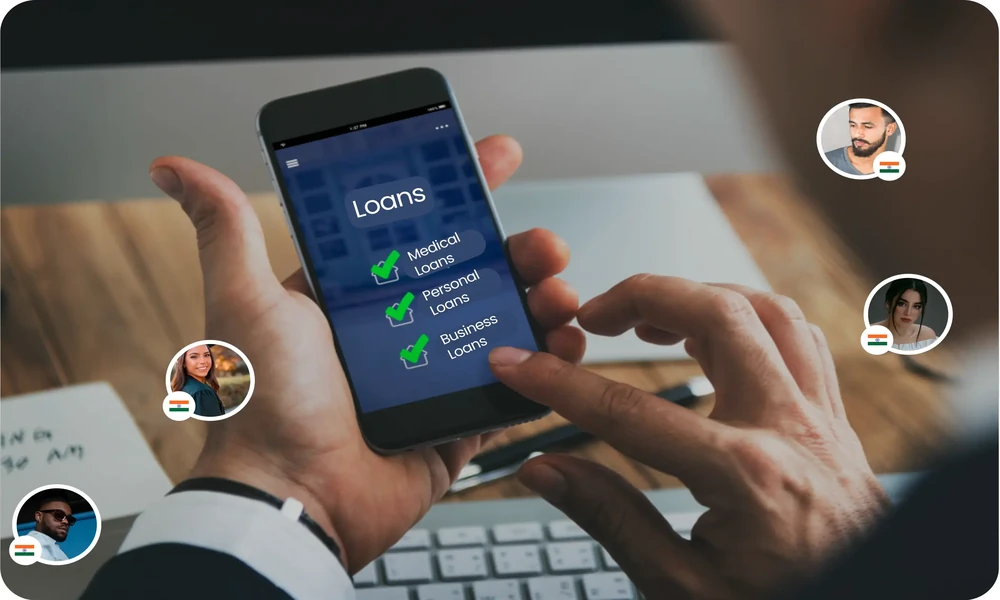

An instant personal loan app can make the borrowing process more convenient by allowing users to check eligibility, submit information, upload documents and review loan offers digitally. The word “instant,” however, usually refers to speed in the application journey rather than guaranteed approval or immediate disbursal in every case.
Borrowers should therefore focus on the complete loan structure instead of only the speed of application. Interest rate, processing charges, repayment tenure, EMI, credit assessment and final disbursal conditions can all affect whether the borrowing is financially suitable.
The right approach is to use digital convenience for comparison and account management while still treating the loan as a long-term repayment commitment.
Fast Processing Is Useful, But It Should Come Second
Speed can matter when money is needed urgently. However, a quick application process should not replace the basic checks that determine whether the loan is manageable.
Before applying, borrowers should first confirm the amount they actually need, why the money is required, how long they expect to repay it, what EMI they can afford and what existing financial commitments are already active.
A fast approval process is only useful when the resulting repayment obligation still fits comfortably within the borrower’s finances.
“Instant” Usually Refers To The Process, Not A Guarantee
Digital lending platforms can automate several stages of a loan application.
For example, the app may quickly complete an initial eligibility check, collect documents, verify identity, run credit assessments, generate an offer or set up the account.
That does not necessarily mean the money will be approved and disbursed immediately.
What May Still Need Verification?
The lender may still need to confirm:
Income details – whether the reported income can be validated.
Employment information – whether employment status and work details meet lender requirements.
Identity documents – whether submitted documents are valid and complete.
Credit history – whether the applicant meets internal credit criteria.
Bank information – whether account details can be successfully verified.
Because these checks differ by applicant, processing time may also vary.
Estimated Eligibility And Final Sanction Are Different
An instant personal loan app may show an estimated eligible amount based on the information entered during the application.
That estimate can depend on factors such as age, income, employment type, credit profile, existing EMIs, work experience, residence and lender-specific policies.
The key distinction is:
Estimated eligibility = an initial indication
Final sanction = the amount and terms approved after verification
Borrowers should avoid making financial commitments based only on the first amount displayed.
Follow The Money From Sanction To Bank Account
The sanctioned loan amount and the amount finally credited to the borrower may not always be the same.
Certain applicable charges may be deducted before disbursal.
A clearer way to review the offer is to follow the full amount flow:
Sanctioned loan amount
↓
Less processing fee
↓
Less applicable taxes
↓
Less other eligible deductions
↓
Net amount received
This becomes especially important when the borrower needs a specific amount for an urgent expense.
A Lower Rate Does Not Tell The Whole Cost Story
The interest rate displayed on an app may vary according to the applicant’s profile and the lender’s assessment.
For this reason, the final rate should be considered together with the rest of the repayment structure.
Compare The Complete Borrowing Cost
Rather than focusing on one percentage, review the loan through these figures:
Interest rate – the rate applied to the loan.
EMI – the monthly repayment obligation.
Tenure – how long the loan will remain active.
Total interest – the interest expected over the full term.
Processing charges – the upfront cost of arranging the loan.
Total repayment – the overall amount paid across the complete tenure.
This gives borrowers a more realistic view of cost than relying only on the advertised rate.
Different Loan Products Can Serve Different Needs
Not every financial requirement should automatically be funded through an unsecured personal loan.
For example, a Farm Loan may be designed around agriculture-related requirements and can have a different eligibility structure, purpose and repayment arrangement from a general personal credit product.
Borrowers should compare loan categories according to the actual financial need rather than selecting whichever application process appears fastest.
EMI Planning Should Happen Before Acceptance
The EMI should fit into the monthly budget without affecting essential expenses.
Borrowers can begin by listing:
- Monthly income
- Rent
- Household expenses
- Utility bills
- Existing EMIs
- Insurance
- Education costs
- Regular savings
The remaining amount provides a better indication of how much new repayment can be managed.
Leave Room For Unexpected Expenses
A borrower should avoid structuring repayments so tightly that even a small emergency creates difficulty.
Medical costs, repairs or income disruption can arise without warning.
A financial buffer can help prevent missed repayments.
Short Tenure And Long Tenure Have Different Trade-Offs
A shorter tenure usually results in a higher EMI but may reduce total interest.
A longer tenure may reduce the monthly instalment but can increase the total amount paid.
Choose Based On Affordability And Cost
Borrowers should compare both:
- Monthly repayment
- Overall borrowing cost
The smallest EMI should not automatically be considered the most suitable option.
Documents May Still Be Required Digitally
An instant process does not necessarily mean a document-free process.
Depending on the lender and borrower profile, documents may be required for:
- Identity
- Address
- Income
- Employment
- Bank account verification
Digital submission can simplify the process, but the information still needs to be accurate and complete.
Common Mistakes During Digital Applications
Fast application journeys can encourage users to move through screens without reading every detail.
Common mistakes include:
- Accepting the maximum eligible amount
- Ignoring processing fees
- Skipping repayment terms
- Choosing tenure only by EMI
- Providing incorrect information
- Applying repeatedly across platforms
Each of these can create avoidable problems later.
Read The Loan Agreement Before Confirmation
The final agreement contains the actual contractual terms.
Borrowers should pay attention to:
- Interest rate
- EMI amount
- First due date
- Repayment tenure
- Penal charges
- Prepayment rules
- Foreclosure conditions
- Other applicable fees
Marketing pages and eligibility screens should not replace the official agreement.
Think About What Happens After The Loan Is Taken
A loan decision should not end with approval and disbursal.
Borrowers should also consider how flexible the loan will be later, how repayments will be managed, and how personal information will be protected throughout the process.
One important area is early repayment.
If a borrower later receives a bonus or additional income, they may want to reduce or close the outstanding loan before the original end date.
Early Repayment Can Change The Cost
The effect depends on the lender’s terms.
- Partial prepayment is permitted
- A lock-in period applies
- Foreclosure charges are involved
- A minimum prepayment amount is required
These conditions can affect how easily the borrower can reduce the loan balance later.
Repayment Discipline Still Applies To Digital Loans
A fast online approval process does not change the importance of making EMIs on time.
Missed or delayed payments may lead to additional charges and can affect the borrower’s credit record depending on the lender’s reporting process.
Create A Repayment Routine
The main objective is to ensure sufficient funds are available before each due date.
Borrowers can support this by using calendar reminders, app notifications, bank alerts or permitted automatic repayment instructions.
The method matters less than maintaining a consistent repayment process.
Protect The Information Used During The Application
Digital lending often requires sensitive personal, banking and income-related information.
For this reason, applications should preferably be downloaded through official app stores or verified lender channels.
Information That Should Never Be Shared
Keep the following confidential:
OTPs
UPI PINs
Banking passwords
Card PINs
Login credentials
Unexpected calls or messages promising faster approval in exchange for these details should be treated with caution.
Review Permissions Before Granting Access
A lending app may request access to certain device functions during onboarding.
These permissions can include the camera, storage, location or other device features.
The important question is not only whether access is requested, but why it is required.
Users should avoid granting permissions that appear unnecessary or unrelated to the stated function of the application.
Privacy terms can also provide more information about how data is collected and used.
Fast Credit Can Encourage Fast Decisions
Digital borrowing can make the application process feel simple and immediate.
That convenience can sometimes reduce the amount of thought given to the repayment commitment.
The loan, however, still creates a real financial obligation.
Use A Short Decision Pause
Before accepting the final offer, ask:
Is this expense necessary?
Is the requested amount accurate?
Can the EMI be paid comfortably?
Is another funding option available?
Could repayments continue if income temporarily falls?
A short review before acceptance can help prevent convenience from turning into impulsive borrowing.
Compare The Product Beyond The Application Screen
Using Loan Apps Personal may simplify digital access to borrowing, but the product should still be compared on cost, repayment terms, eligibility and long-term affordability.
Application speed should be treated as a convenience feature, not as the main reason to borrow.
Conclusion
An instant personal loan app can simplify the application and account-management process, but borrowers should focus on the financial commitment behind the digital interface.
Eligibility, interest rate, processing fees, net disbursal, EMI, tenure, repayment rules and security should all be reviewed before accepting an offer.
The most suitable loan is not necessarily the one approved fastest. It is the one that matches the actual borrowing need and can be repaid comfortably without disrupting essential monthly expenses.
FAQs
1. Does “Instant” Mean The Loan Is Always Disbursed Immediately?
No. It may refer to faster digital processing, while final disbursal can still depend on verification, lender checks and approval conditions.
2. Why Can The Amount Credited Be Lower Than The Sanctioned Amount?
Eligible processing fees, taxes or other applicable deductions may reduce the net amount credited to the borrower.
3. Can Applying Through Several Apps Improve Approval Chances?
Not necessarily. Multiple applications can lead to repeated credit checks and may not improve eligibility.
4. Should I Choose The Longest Available Repayment Tenure?
Only if it suits your budget after considering the higher total interest that may result from a longer repayment period.
5. Which Details Should I Save After Digital Disbursal?
Keep the loan agreement, repayment schedule, transaction details, sanctioned amount, interest rate and customer-support information for future reference.

