
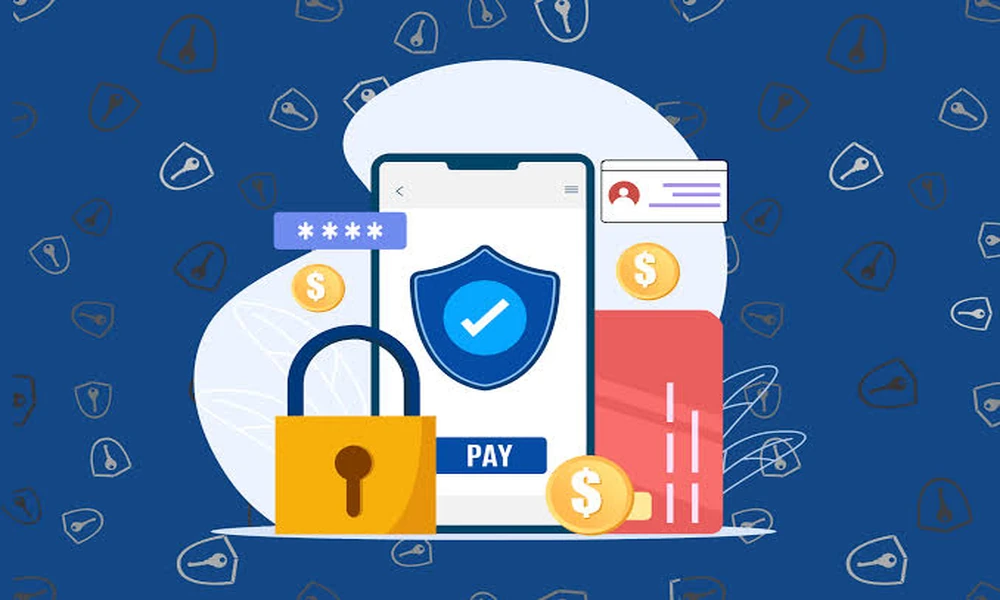

Businesses operating in regulated industries face various challenges in handling payments. Some industries follow strict regulations to protect customers from fraud. These industries are healthcare, firearms, gaming, and legal services. Due to the strict requirements, businesses operating in these industries require secure payment systems.
For businesses operating in regulated industries, choosing the right payment infrastructure is an important step toward maintaining security, compliance, and customer confidence. A reliable system should not only support smooth transactions but also provide safeguards against fraud, unauthorized access, and data exposure. By following the principles outlined in Businesses Need Secure Payment Systems Guide, companies can better understand how secure payment solutions support regulatory compliance while creating a safer and more dependable payment experience for their customers.
A secure payment system for a business helps them process transactions smoothly while protecting the customers’ financial information. Secure payment systems can help a business gain an edge over its competitors.
WHAT IS A SECURE PAYMENT SYSTEM?
A secure payment system is a process that safeguards payment transactions from unauthorized access, data breaches, and fraud. These payment systems use modern technologies such as data encryption, fraud monitoring, and tokenization to ensure safe payment transactions.
The foremost goal of a secure payment system is to ensure that the financial data of the customer is protected throughout the transaction process. This feature helps businesses in obtaining customer trust while meeting industry standards. A business operating in a regulated industry requires the care to handle such sensitive information.
UNDERSTANDING REGULATORY REQUIREMENTS
A business must meet regulatory requirements in an industry, apart from protecting the sensitive information of the business. The authorities establish rules to safeguard the interests of customers along with maintaining integrity in the transaction process. Any business that fails to comply with the industry regulations suffers legal action, financial loss, and penalties.
The implementation of a secure payment system is designed to support the following compliance by providing;
- Enabling secure transaction processes.
- Implementing reporting tools and an audit trail.
- Establishing strong data protection measures.
- Strong fraud detection procedures.
By using a secure payment system, a business can operate confidently by complying with industry regulations. It also reduces compliance risk.
WHY IS PROTECTING SENSITIVE CUSTOMER INFORMATION SIGNIFICANT?
Customers engage in giving their personal or financial data to the business while completing the transaction process. Customers trust the business with their personal data. If the sensitive data of the customers falls into the wrong hands, it can be a serious consequence for both the business and the customer. Therefore, the business must safeguard this sensitive information.
Most businesses face the risk of cyber-attacks. Cybercriminals constantly target businesses in search of financial and personal data of the customer. The necessity of a secure payment system becomes crucial for all businesses operating in a regulated environment to achieve long-term benefits.
Sophisticated fraud detection tools must be implemented to facilitate secure payment transactions. They help businesses identify and prevent the risk of fraud before it even occurs.
CONCLUSION
A business operating in a regulated environment needs secure payment systems to achieve long-term benefits. They help businesses comply with industry standards while protecting customers from fraud and breaches. Therefore, having a secure payment system for a business is necessary.

